How to travel New Zealand solo (alone)
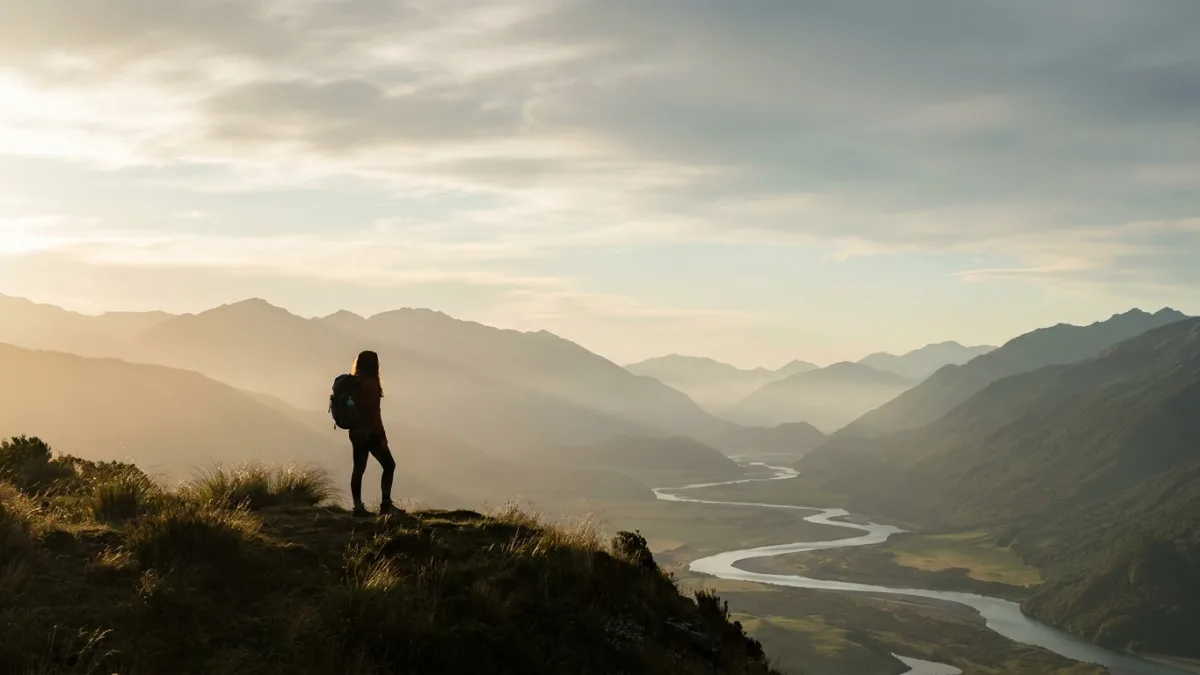

Everything you need to travel New Zealand alone, safely, cheaply, and confidently.
Key Facts
New Zealand ranks 3rd safest globally in 2025. English-speaking, backpacker-friendly infrastructure, and a strong hostel community make solo travel here genuinely easy.What You'll Gain
Total freedom to move at your own pace, meet fellow travelers naturally, and experience NZ deeply, from Great Walks to working holidays, on a realistic budget.Watch Out For
Solo hiking requires preparation, weather changes fast. Freedom camping rules tightened in 2025: fines reach NZD $800 without a certified Green Warrant vehicle.
Solo travel in New Zealand sounds daunting until you realize the country is basically built for it. I've put together everything that actually matters, from getting around on a budget to staying safe on remote hikes, so you can stop overthinking and start planning a trip that's entirely yours.
New Zealand consistently ranks among the safest countries in the world for solo travelers. According to the NZ Herald, New Zealand was rated the third safest country in the world in 2025 by the Institute for Economics and Peace’s Global Peace Index, up from fifth place in 2024. The locals (Kiwis) are famously friendly and welcoming. The infrastructure for backpackers is excellent, hostels, campgrounds, and transport networks are designed with independent travelers in mind.
Why New Zealand Is Perfect for Solo Travel
Traveling New Zealand solo is one of the best decisions you can make.
The country is safe, English-speaking, incredibly well set up for independent travelers, and absolutely stunning from top to bottom.
Whether you’re road-tripping through the South Island’s fjords, hiking the North Island’s volcanic trails, or meeting fellow backpackers in a hostel in Queenstown, solo travel here rarely feels lonely.
New Zealand is one of the few destinations where you can arrive knowing nobody and leave with lifelong friends, the backpacker community is that strong.
Here’s what makes NZ ideal for solo travelers:
- Safety: Low crime rates, stable infrastructure, and helpful locals. New Zealand ranks 3rd globally on the 2025 Global Peace Index
- English-speaking: No language barrier to navigate
- Backpacker-friendly: Hundreds of hostels, holiday parks, and budget options
- Natural diversity: Beaches, mountains, glaciers, and geothermal landscapes all in one country
- Freedom camping: Legal in many areas for certified self-contained vehicles, perfect for budget solo travelers
- Strong backpacker community: Easy to meet people on the road
Getting Around New Zealand Solo
Renting a Car or Campervan
Hiring a car and hitting the road is the best way to travel New Zealand alone. The country has an excellent road network, and most major attractions are accessible by car. You move on your own schedule, stop wherever you want, and carry everything you need.
A standard rental car gives you flexibility without the bulk. A campervan or motorhome takes it further, you sleep where you park. New Zealand is perfectly set up for this, with hundreds of holiday parks and DOC (Department of Conservation) campsites scattered across both islands.
- Full schedule freedom
- Sleep where you park
- Access remote spots
- Higher upfront cost
- 600+ destinations covered
- Social, meet travelers
- No driving stress
- Change bookings easily
Key tips for renting:
- Book in advance during peak season (December-February)
- Compare prices on platforms like Transfercar or Jucy, you can sometimes get one-way relocation deals for almost nothing
- Check if your travel insurance covers rental vehicles
- Stick to sealed roads unless you have a 4WD, gravel roads can void your rental agreement
Taking the Bus (InterCity)
If driving isn’t your thing, InterCity is New Zealand’s main intercity bus network, connecting over 600 destinations across both islands. According to InterCity, the FlexiPass is an hours-based bus pass designed specifically for backpackers and independent travelers, you buy a block of travel hours and use them however you like, with the freedom to change bookings up to 2 hours before departure.
It’s a great option for solo travelers who want to meet people. Bus trips are social, and you’ll often end up chatting with other backpackers on the way.
The Interislander Ferry
To get between the North and South Islands, you’ll take the Interislander or Bluebridge ferry across the Cook Strait. The crossing takes around 3.5 hours and is a scenic experience in itself. Book ahead in summer, it fills up fast.
Domestic Flights
For longer distances (like Auckland to Queenstown), domestic flights with Air New Zealand or Jetstar can save significant time. Book early for the best fares. This is especially useful if you’re on a tight schedule.
Hitchhiking
Hitchhiking is common in New Zealand and generally considered safe, especially in rural areas and on the South Island. It’s part of backpacker culture here. That said, always use common sense:
- Tell someone where you’re going
- Trust your instincts
- Avoid hitchhiking alone at night
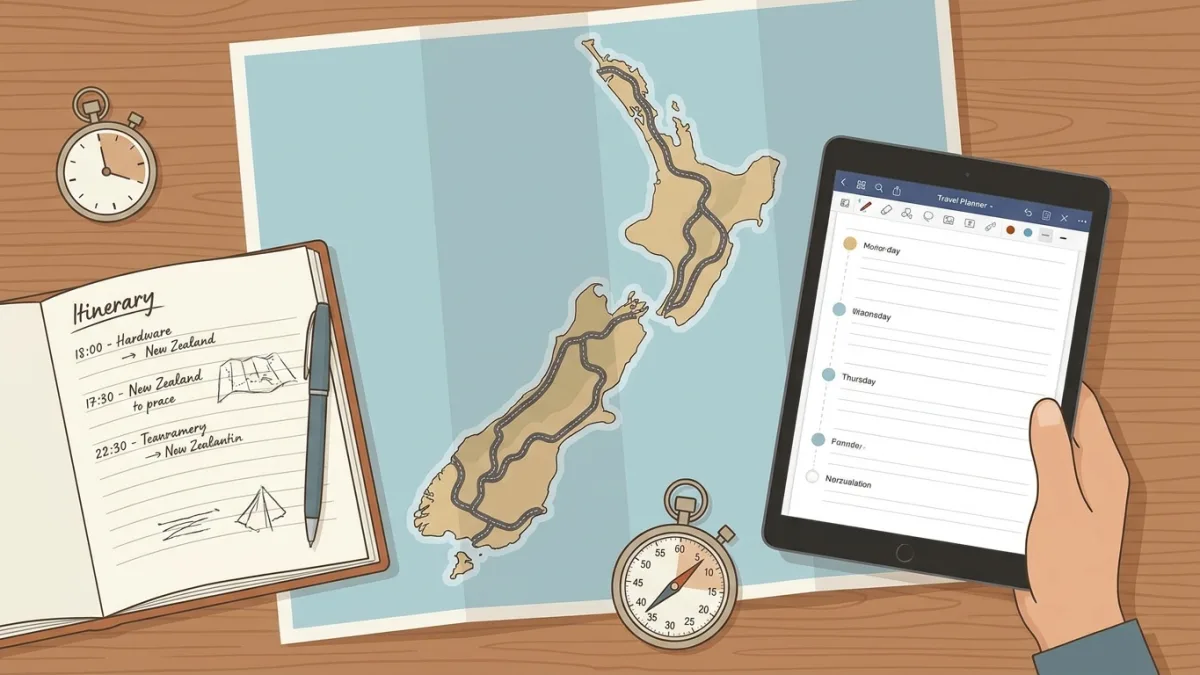
Planning Your Solo New Zealand Itinerary
How Long Do You Need?
New Zealand is small on a map but big on experiences. Distances take longer than they look because of winding mountain roads.
Here’s a realistic time breakdown:
| Duration | What You Can Cover |
|---|---|
| 2 weeks | One island (North or South) in depth |
| 3 à 4 weeks | Both islands at a comfortable pace |
| 6 à 8 weeks | Both islands with hikes, detours, and work |
| 3 à 12 months | Working holiday, live and explore long-term |
North Island Highlights for Solo Travelers
The North Island is warmer, more culturally rich, and home to New Zealand’s biggest cities. Key stops include:
- AucklandStart here. Great food, day trips to Waiheke Island, and a lively hostel scene
- RotoruaGeothermal wonders and Māori culture. Don’t miss Te Puia
- TaupoSkydiving capital of NZ, beautiful lake, and the Tongariro Alpine Crossing nearby
- WellingtonThe coolest little capital in the world. Great coffee, craft beer, and Te Papa museum
- Coromandel PeninsulaHot Water Beach and Cathedral Cove are unmissable
South Island Highlights for Solo Travelers
The South Island is raw, dramatic, and spectacular. It’s the outdoor adventure hub.
- Nelson/Abel TasmanGolden beaches and the Abel Tasman Coast Track
- Franz Josef & Fox GlacierHike on a glacier (or take a helicopter)
- QueenstownThe adventure capital. Bungee jumping, skiing, hiking, and an incredible social scene for solo travelers
- Milford SoundOne of the most dramatic fjords on earth. Day trip or overnight cruise
- DunedinCharming university city with wildlife (penguins and albatross) nearby
- ChristchurchRebuilt and thriving after the earthquakes, with great street art and food
Building a Flexible Itinerary
The biggest mistake solo travelers make is over-planning. Build in buffer days. Some of the best experiences happen when you slow down and stay somewhere longer than planned.
A good rule: plan your transport bookings in advance, but leave your activities flexible.
Solo Travel Budget in New Zealand
What Does New Zealand Cost?
New Zealand isn’t the cheapest destination, but it’s very manageable on a backpacker budget if you’re smart about it.
Here’s a realistic daily budget breakdown:
| Budget Level | Daily Spend (NZD) | What’s Included |
|---|---|---|
| Shoestring | $50-$70 | Dorm bed, self-catering, free activities |
| Mid-range | $100-$150 | Private room, some eating out, paid activities |
| Comfortable | $200+ | Mix of private accommodation, dining out, paid tours |
All prices in NZD (New Zealand Dollars)
Accommodation Costs
- Hostel dorm bed: $25-$45/night
- Private hostel room: $60-$100/night
- Holiday park powered site (campervan): $20-$40/night
- DOC campsite: free (basic sites) to $10-$15/night (standard sites) to $20-$23/night (serviced sites), according to DOC’s official campsite fees page
- Budget motel: $80-$130/night
Saving Money as a Solo Traveler
Solo travel means you don’t split costs with a partner, so budgeting matters more. Here’s how to keep costs down:
- Cook your own meals: Every hostel has a kitchen. Supermarkets like Woolworths NZ and Pak’nSave are your best friends
- Use DOC campsites: The Department of Conservation manages over 300 campsites throughout New Zealand. Download the CamperMate or WikiCamps NZ app to find them
- Travel in shoulder season: March-May and September-November offer fewer crowds and lower prices
- Work a bit: A Working Holiday Visa lets you fund your travels by working. Fruit picking, hospitality, and farm work are common options
- Get a Kiwi Access Card: If you’re under 25, this acts as local ID and can get you discounts
Pro tip: The YHA (Youth Hostels Association) membership pays for itself quickly if you stay in YHA hostels regularly, members get significant discounts.
Free Things to Do in New Zealand
New Zealand’s greatest attractions are often free:
- Almost all DOC hiking tracks and walks
- Most beaches
- Many city museums (note: Te Papa in Wellington is free for New Zealanders and people living in NZ, but international visitors aged 16+ pay an entry fee)
- Freedom camping spots (in a certified self-contained vehicle)
- Scenic lookouts and viewpoints
Staying Safe as a Solo Traveler in New Zealand
General Safety
New Zealand is genuinely one of the safest countries to travel solo. Violent crime against tourists is rare. That said, petty theft (especially from cars and campsites) does happen.
Basic safety habits:
Solo Hiking Safety Essentials
Carry a PLB, check MetService forecasts, and verify DOC track conditions before departing.
- Never leave valuables in your carsmash-and-grab theft at tourist car parks is the most common crime affecting travelers
- Use lockers in hostels for passports and electronics
- Keep digital copies of all important documents
- Register with your embassy if traveling for extended periods
Solo Hiking Safety
Solo hiking in New Zealand requires preparation. The mountains can be unforgiving, and weather changes fast, especially on the South Island.
Before any significant hike:
- Check the weather forecastMetService (metservice.com) is the most accurate NZ weather source. As AdventureSmart notes, the weather changes fast in New Zealand and you should be prepared for any conditions
- File a trip intentionTell someone your plans, expected return time, and what to do if you don’t check in. Use the AdventureSmart Outdoor Intentions Formit’s free and takes minutes
- Check DOC track conditionsConditions can close tracks suddenly
- Carry the 10 Essentials: map, compass/GPS, water, food, first aid, warm layers, rain gear, headlamp, fire starter, emergency shelter
- Don’t push beyond your fitness levelThe Tongariro Alpine Crossing and Routeburn Track are challenging
The DOC (Department of Conservation) website is your go-to resource for hike conditions, safety information, and campsite bookings. Always check it before heading into the backcountry.
Water Safety
New Zealand has beautiful rivers, lakes, and beaches, but water safety is serious here. Drowning is one of the leading causes of tourist fatalities.
- Swim between the flags at patrolled beaches
- Never underestimate ripsNew Zealand’s west coast beaches can have powerful surf
- River crossings on hikes: check conditions carefully. Rivers can rise extremely fast after rain
- Giardia in waterways: don’t drink untreated water from rivers or streams without filtering or purifying it first
Health and Medical
New Zealand has a public healthcare system, but as a tourist you’ll generally pay for medical care. Travel insurance is non-negotiablea single helicopter rescue from a hiking trail can cost tens of thousands of dollars.
According to the Accident Compensation Corporation (ACC), New Zealand’s no-fault scheme covers everyone injured in an accident, including visitors, regardless of circumstances. This is a genuine safety net for accident injuries. But ACC does not cover illness, so comprehensive travel insurance remains essential.
Solo Travel Accommodation: Where to Stay
Hostels, The Social Hub
Hostels are the backbone of solo backpacker travel in New Zealand. They’re affordable, social, and found in every major town and tourist hub.
The best hostel chains and networks:
- YHA New ZealandReliable quality, great locations, membership discounts
- Base BackpackersParty-friendly, popular in Queenstown and Auckland
- BBH (Budget Backpacker Hostels)Independent network with a membership card that saves you money
Hostel tips for solo travelers:
- Book dorms if you want to meet people, private rooms are quieter but more isolating
- Common areas (kitchens, lounges) are where friendships form
- Many hostels organize social events, pub crawls, and day trips
Holiday Parks
Holiday parks are quintessentially Kiwi and perfect for campervan travelers. They offer powered sites, kitchen facilities, bathrooms, and often swimming pools or playgrounds.
Top Camps and Kiwi Holiday Parks are two major networks. Prices are very reasonable and facilities are generally excellent.
Freedom Camping
Freedom camping (camping on public land outside designated campgrounds) is legal in many parts of New Zealand, but rules have tightened significantly. Self-contained vehicles with a certified Green Warrant are now required in most areas.
Check the CamperMate app or local council websites before setting up camp. Fines for illegal freedom camping can be significant, NZD $400-$800 for standard breaches.
Unique Accommodation Options
Don’t limit yourself to hostels and campgrounds:
- Wwoof NZ (World Wide Opportunities on Organic Farms): Work a few hours a day on a farm in exchange for accommodation and meals. Amazing way to experience rural NZ and meet locals
- Helpx: Similar to Wwoof, work exchange accommodation
- Hut stays: DOC huts on the Great Walks and other tracks offer a unique backcountry experience. According to DOC’s booking system, close to 100,000 people book a Great Walk annually, book early as popular tracks sell out fast
Meeting People and Avoiding Loneliness on the Road
The Solo Travel Paradox
Here’s the thing about solo travel in New Zealand: you’re rarely actually alone. The backpacker trail is well-worn, and you’ll constantly cross paths with the same travelers as you move around the country.
Queenstown, Picton, Paihia, and Rotorua are all major social hubs where solo travelers naturally converge.
Where to Meet Fellow Travelers
- Hostel common areasKitchens and lounges are social gold
- Organized hostel eventsPub crawls, BBQs, movie nights
- Group tours and activitiesSkydiving, bungy jumping, and guided hikes naturally bring people together
- Facebook groups“New Zealand Backpackers” and similar groups are active and helpful
- Workaway and WwoofWorking alongside others builds genuine connections
- Rideshare appsSharing a drive with someone is a great way to meet people
Embracing Solo Time
Not every moment needs to be social. Some of the most powerful travel experiences happen alone, watching the sunset over Milford Sound, sitting on a deserted beach on the Coromandel, or hiking through beech forest in complete silence.
Solo travel gives you the freedom to follow your instincts completely. If you want to spend three days doing nothing in a small town because you love it there, you can. Nobody else’s schedule matters.
The best thing about traveling New Zealand solo? Every decision is yours. Every unexpected detour, every spontaneous conversation, every quiet moment, it all belongs to you.
Working Holiday Visas and Long-Term Solo Travel
What Is a Working Holiday Visa?
According to Immigration New Zealand, a Working Holiday Visa (WHV) is available to young people normally aged 18 to 30 (or 18 to 35 for a select few countries). It lets you travel, work, and study in New Zealand for up to 12 months (or up to 23 months for Canadian citizens).
New Zealand has WHV agreements with dozens of countries including the UK, USA, Canada, Germany, France, Japan, South Korea, and many more. Check Immigration New Zealand’s website for your country’s eligibility.

Arrive & Explore
Spend first weeks discovering the country
Find Work
Hospitality, fruit picking, or farm work
Save Money
Build funds while working locally
Travel More
Use savings to explore further
How It Works in Practice
Most WHV holders follow a pattern:
- Arrive, explore for a few weeks
- Find work (hospitality, fruit picking, farm work, construction, etc.)
- Save money while working
- Travel more
- Repeat
This cycle lets you experience New Zealand deeply, not just as a tourist, but as someone who actually lives there for a while. You’ll meet locals, understand the culture, and see places that most tourists never reach.
Finding Work as a Solo Traveler
- Seasonal fruit picking: Hawke’s Bay, Marlborough, and Central Otago are major areas. Timing matters, apple season, grape harvest, and cherry picking all have specific windows
- Hospitality: Queenstown, Auckland, and tourist towns always need bar staff, waiters, and kitchen hands
- Ski resorts: Queenstown and Wanaka in winter (June-September)
- Farm work: Available year-round across the country
Websites like Seek.co.nz, Trade Me Jobs, and Backpacker Board are good starting points for job hunting.
Project-Newzealand.com has detailed guides on working holiday visas and finding work that can help you navigate this process.
Essential Packing List for Solo New Zealand Travel
What to Pack for New Zealand’s Varied Climate
New Zealand’s weather is famously unpredictable. You can experience four seasons in one day, especially in the South Island. Pack in layers.
Clothing essentials:
- Waterproof jacket (non-negotiable)
- Warm mid-layer (fleece or down jacket)
- Quick-dry hiking pants and shorts
- Merino wool base layers (NZ merino is world-class and worth investing in)
- Sturdy hiking boots if you plan to hike
- Sandals or jandals (flip-flops, yes, Kiwis call them jandals)
Gear essentials:
- 50 à 70L backpack
- Day pack or small bag for day trips
- Sleeping bag liner (some hostels charge for linen)
- Microfiber towel
- Reusable water bottle with filter (e.g., LifeStraw)
- Headlamp with spare batteries
- First aid kit
Tech and documents:
- Unlocked smartphone (get a local SIM, Skinny Mobile and 2degrees are popular and affordable)
- Portable power bank
- Universal adapter (NZ uses Type I plugs, same as Australia)
- Passport + multiple copies (physical and digital)
- Travel insurance documents
For campervan/camping travel:
- Sleeping bag rated for cold temperatures
- Compact camping stove and cookware
- Tarp or tent
- Campsite booking apps (CamperMate, WikiCamps)
Pack light. Seriously. You’ll be carrying your bag a lot. If you can’t carry it comfortably for 15 minutes, it’s too heavy.
The Best Solo Travel Experiences in New Zealand
The Great Walks
New Zealand’s Great Walks are some of the best multi-day hikes in the world. They’re well-maintained, well-marked, and bookable through DOC. Perfect for solo hikers because you’ll almost always meet other walkers at huts.
According to DOC’s 2025 media release, close to 100,000 people book a Great Walk annually, with 35% being international visitors. Book well in advance, popular tracks like Milford and Routeburn sell out within minutes of bookings opening.
Top Great Walks for Solo Hikers
5 walks- 1 Tongariro Alpine Crossing, best 1-day walk in NZ
- 2 Milford Track, iconic 4-day hike, book months ahead
- 3 Abel Tasman Coast Track, easy 3 à 5 day coastal trail
- 4 Routeburn Track, dramatic alpine scenery, 2 à 4 days
- 5 Kepler Track, less crowded, equally stunning, 3 à 4 days
Top picks for solo hikers:
- Tongariro Alpine Crossing (1 day), Often called the best day walk in NZ
- Milford Track (4 days), Iconic. Book months in advance
- Abel Tasman Coast Track (3 à 5 days), Coastal beauty, relatively easy
- Routeburn Track (2 à 4 days), Alpine drama at its finest
- Kepler Track (3 à 4 days), Less crowded than Milford, equally stunning
Adventure Activities
New Zealand is the adventure capital of the world. Solo travelers have full access to everything:
- Bungy jumping: AJ Hackett’s Kawarau Bridge in Queenstown, the world’s first commercial bungy
- Skydiving: Taupo is famous for it, with views over Lake Taupo and Mount Ruapehu
- White water rafting: Rotorua and Queenstown both offer excellent options
- Surfing: Raglan on the West Coast is one of the Southern Hemisphere’s best surf spots
- Whale watching: Kaikōura on the South Island’s east coast
Cultural Experiences
Don’t just chase landscapes. New Zealand’s Māori culture is rich, living, and accessible:
- Te Papa Tongarewa in Wellington, New Zealand’s national museum (free for New Zealanders and residents; entry fee applies for international visitors)
- Te Puia in Rotorua, Geothermal park and Māori cultural center
- Waitangi Treaty Grounds in the Bay of Islands, Where NZ’s founding document was signed
- Māori hangiA traditional feast cooked in an earth oven. Many Rotorua operators offer this experience
Frequently Asked Questions
Absolutely, New Zealand is one of the best countries in the world for solo travel. It’s English-speaking, safe, compact, and designed for visitors, with transport links and accommodation options that make independent travel straightforward. According to the NZ Herald, New Zealand ranked 3rd globally on the 2025 Global Peace Indexa strong endorsement for any solo adventurer.
Not at all, 27 is actually a fantastic age to travel solo. Solo travel has no age limit; it’s a timeless journey open to anyone, whether you’re 18 or 80. Traveling in your late 20s brings a more mature perspective, greater financial stability, and more confidence in navigating new places. Stop second-guessing yourself and book that flight!
New Zealand is packed with incredible off-the-beaten-path spots most tourists never see. Here are a few worth adding to your solo itinerary:
- Stewart Islandremote, beautiful, and often overlooked; one of the best places in New Zealand to spot a kiwi in the wild, with the southern brown kiwi outnumbering the island’s human population
- Chatham Islandslike stepping into a parallel New Zealand where time slows down; accessible by flight from Wellington, Christchurch, or Auckland via Air Chathams
- Nelson Lakes National Parkone of the most gorgeous yet relatively unknown parks in the country, largely skipped by visitors heading from Abel Tasman southward
- Ōpārara Arches (Kahurangi National Park)a massive limestone arch (219 m long, 43 m high) reachable via a well-formed 2 km return rainforest walk from the car park
Yes, solo hiking in New Zealand is very doable and deeply rewarding, with the right preparation. The biggest risks are changing weather, slips, or getting lost. Preparation is key: tell someone your plans using the AdventureSmart Outdoor Intentions Form, carry safety gear, trust your gut, and start with busier tracks. In backcountry areas, always carry a Personal Locator Beacon (PLB)when activated, it sends a distress signal via satellite to the Rescue Coordination Centre New Zealand (RCCNZ), which coordinates the search and rescue response.
The shoulder seasons, March to May and September to November, are ideal for solo travelers. You’ll still enjoy nice weather, but with fewer crowds and lower prices. If you go mid-summer (December to February), you’ll have a harder time booking accommodations and Great Walk huts, so make sure to book well in advance. Cooler months also mean fewer crowds on the trails, a real bonus when you’re exploring at your own pace.
Meeting fellow travelers in New Zealand is easier than you might think. Staying in a hostel is the easiest and most affordable way to connect with others, take advantage of communal spaces like bars, open kitchens, and living areas, and join hostel-organized tours like treks or pub crawls. Attending cultural events is another great option, there are plenty of Māori events held throughout the year where you can make new friends while learning something meaningful.
A car gives you the most freedom, but it’s not strictly necessary for a great solo trip. InterCity’s FlexiPass connects over 600 destinations nationwide and is designed specifically for backpackers. That said, road safety is the biggest practical risk for many visitors, especially fatigue, left-side driving, and underestimating drive times on winding routes, so if you do rent a car, take it slow and plan your days carefully.
Sources for this article
10

Ask us anything
We run this blog so you can have a great time in New Zealand. All the articles and videos are free for anyone.
If you want to ask an individual question about Newzealand, your working holiday or anything else around travelling New Zealand, then this is your chance.
Even it always looks like holiday, this website and the project is a fulltime business. So you can support us with any question if you'd like.
Simply click the button and ask us, in exchange for your answer you can give what you value our time.
If every visitor would support us with 1€ per year, our business would be up running for long times. Therefore we count on your support!
A big thank you from the depth of our hearts. Julian & the team of Project-Newzealand